The Puzzling Problem of the Pores: Why Are They So Big, and How Can We Manage Them?
If you’ve ever found yourself staring into a magnifying mirror, fixated on the tiny craters dotting your nose, cheeks, and forehead, you’re not alone. Large pores are one of the most common, and perhaps most frustrating, skin concerns people struggle with—and they seem to appear out of nowhere, often right around the time you thought you finally figured out your foundation shade.
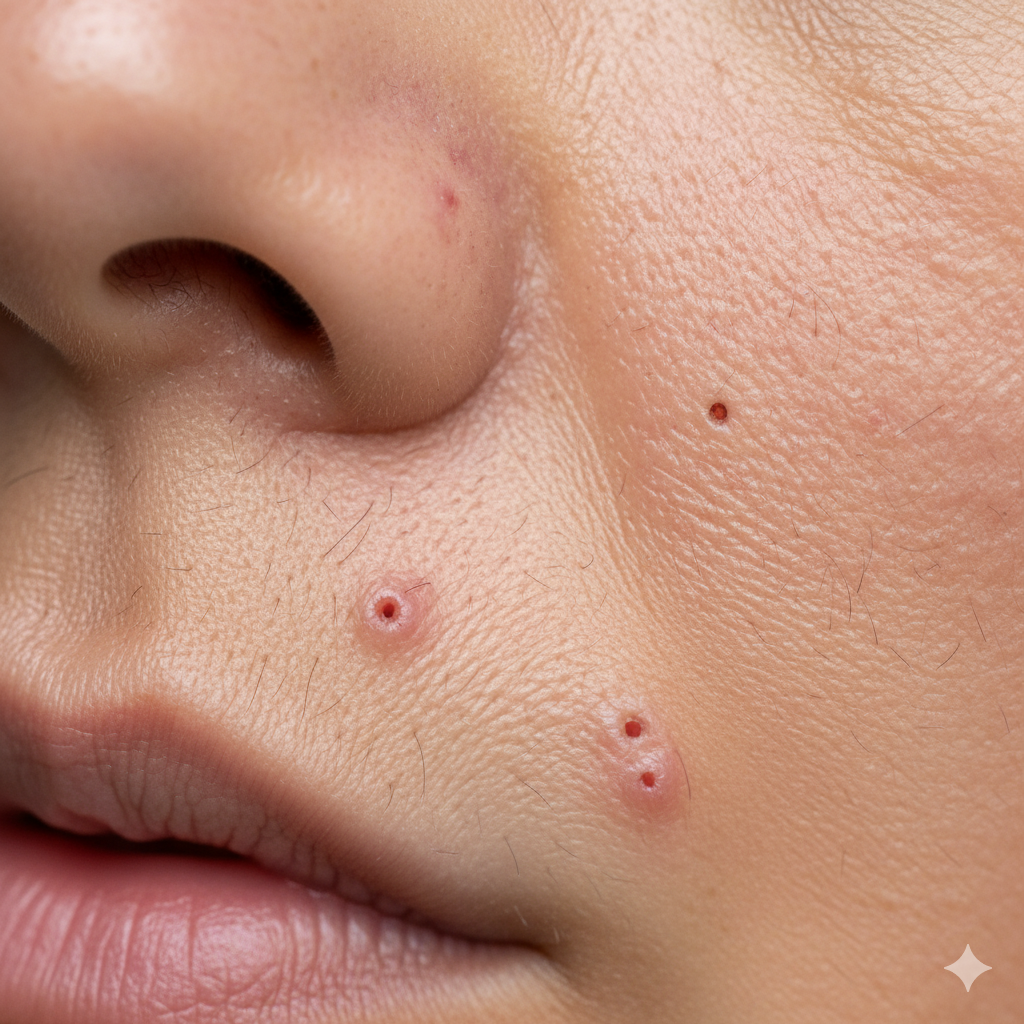
It’s important to clarify something right off the bat: you can’t actually shrink your pores. They aren’t muscles that contract or expand. They are genetically predetermined openings in your skin, each housing a hair follicle and a sebaceous (oil) gland.
However, just because you can’t permanently change their size doesn’t mean you can’t make them look significantly smaller. The key to managing large pores is understanding why they look so prominent in the first place and then focusing on targeted treatments that keep them clean and firm.
This isn’t about magical quick fixes; it’s about smart, consistent skincare. Let’s dive into the four main reasons your pores look so big and the practical, human-centered steps you can take to manage them.
1. The Root Cause: Genetics and Oil Production
The primary factor determining your pore size is, unfortunately, completely out of your control: your DNA.
People born with naturally oily or combination skin tend to have larger pores. Why? Because the purpose of a pore is to allow sebum (oil) to reach the skin’s surface. If your sebaceous glands are highly active (thanks, genetics!), they produce a lot of oil.
Think of the pore like a drainage pipe. If the pipe has to handle a high volume of oil flow every day, it naturally needs a wider opening to prevent constant clogs. These active, wide-open pores are most commonly seen on the T-zone (forehead, nose, and chin), where oil glands are most densely packed.
The Solution: Control the Sebum Flow
Since you can’t change your genes, you focus on managing the output.
- Niacinamide (Vitamin B3): This is the MVP for pore size. Studies show that niacinamide doesn’t just soothe skin; it actively helps regulate and normalize the oil flow within the pore lining. Using a serum with 5% or 10% niacinamide daily can visibly reduce the appearance of pore size over a few weeks.
- Clay Masks: Use a bentonite or kaolin clay mask once or twice a week. Clay is excellent at drawing out excess oil and impurities from deep within the pore, preventing the next cause of enlargement…
2. The Clogging Culprit: Dead Skin and Buildup
A small pore can look like a gaping hole when it’s completely stuffed with gunk.
What is this “gunk”? It’s a mixture of excess sebum, dead skin cells that weren’t properly shed, and microscopic remnants of makeup or pollution. This combination creates a plug that swells the pore wall outward, much like filling a balloon.
When this plug oxidizes (i.e., reacts with the air), it turns dark, forming a blackhead, which makes the pore even more visible. By keeping the pore interior clear, you eliminate the outward pressure, allowing the pore to return to its natural, less noticeable diameter.
The Solution: Chemical Exfoliation
Physical scrubbing often irritates the skin and does little for deeply clogged pores. Chemical exfoliants, particularly beta-hydroxy acids (BHAs), are the game-changer here.
- Salicylic Acid (BHA): This acid is oil-soluble, meaning it can travel deep past the skin’s surface and into the oily pore lining. It dissolves the glue holding those dead skin cells and sebum together, clearing out the blockage from the inside. Use a toner or serum with 1-2% salicylic acid 3-5 times a week.
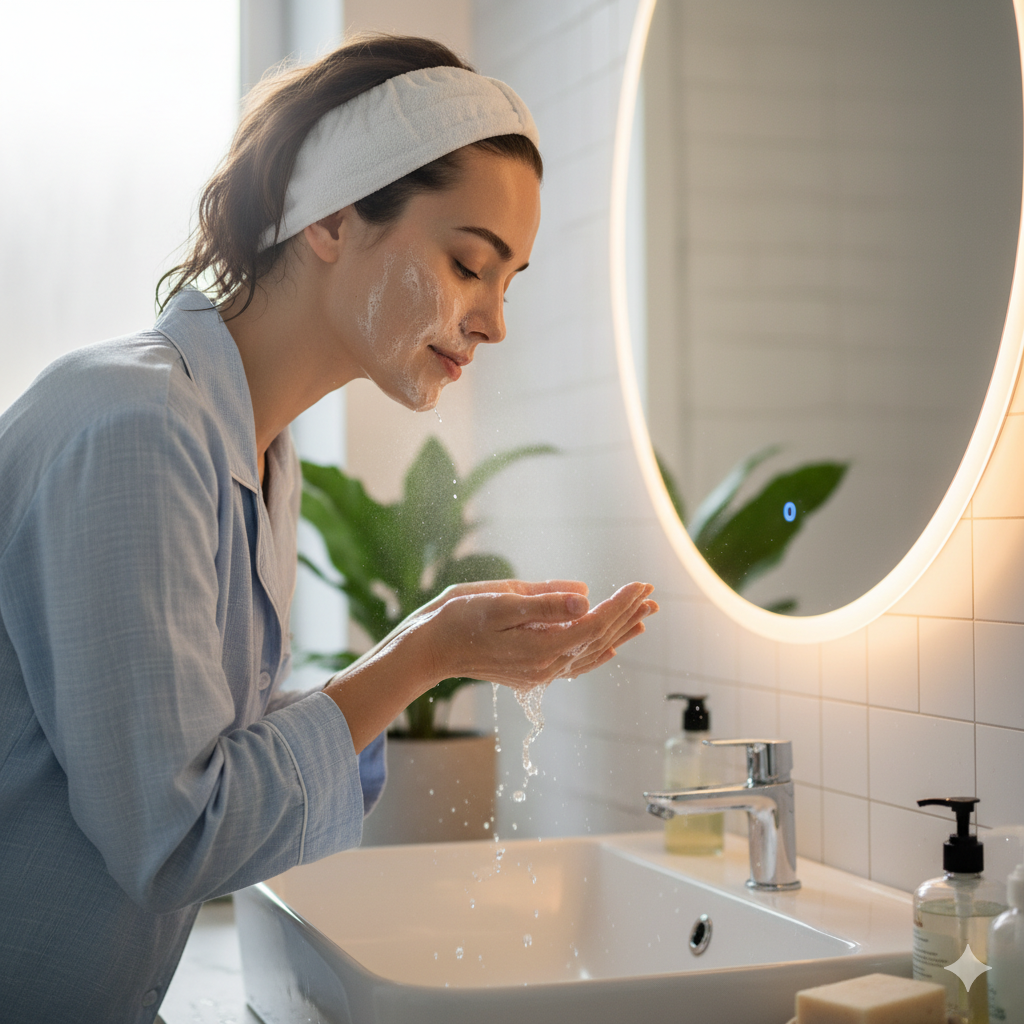
- Gentle Cleansing: Switch to a non-comedogenic cleanser and ensure you are removing all your makeup completely every night (that “double cleanse” we talked about previously is key!).
Human Note: Don’t expect instant results with salicylic acid. It takes time—often 4 to 6 weeks—to truly clean out the pores, but when it works, the difference is undeniable.
3. The Gravity Factor: Collagen Breakdown
This is where age comes into play. When we are young, the surrounding skin is firm, tight, and full of collagen and elastin, acting like a tight corset that holds the pore openings securely.
As we age, or due to prolonged sun damage, we lose that crucial collagen and elastin. The pore walls lose their structure and start to sag, stretching the opening into a more elongated, tear-drop shape. This loss of elasticity creates an optical illusion, making the pore look much wider and deeper than it did when the surrounding skin was taut.
This type of “stretched” pore is more commonly seen on the cheeks and near the jawline.
The Solution: Boost Collagen Production
The strategy here is to rebuild the surrounding support structure to tighten up the slack.
- Topical Retinoids (Retinol/Retinaldehyde/Tretinoin): These Vitamin A derivatives are the gold standard for rebuilding collagen. By accelerating cell turnover, retinoids help create new, healthier skin cells and firm up the dermal matrix. This restores some of the tension around the pore walls, making the openings look smaller. Start slow (once or twice a week) to avoid irritation.
- Peptides: These amino acid chains signal to the skin to produce more collagen. Using a serum rich in peptides can give a gentle, complementary boost to the skin’s support system.
4. The Inflammation Effect: Breakout Recovery
When you have a very large, deep, cystic breakout, the inflammation can cause temporary (and sometimes permanent) damage to the surrounding tissue.
As the body fights the infection, it can weaken the pore wall. Once the blemish heals, you might be left with a slightly enlarged, often depressed, pore that looks more prominent than the others—sometimes referred to as “ice pick scars” if the damage is severe. Furthermore, constant picking or squeezing can introduce more bacteria and trauma, worsening the inflammation and stretching the pore wall permanently.
The Solution: Calm, Don’t Touch
Managing this type of enlarged pore is about damage control and promoting healing.
- Soothe Inflammation: Use ingredients like Centella Asiatica (Cica), Aloe Vera, or Chamomile to calm active breakouts quickly. The faster the inflammation goes down, the less damage is done to the pore lining.
- Hands Off: This is the hardest part. Do not squeeze, pick, or prod inflamed breakouts. You are far more likely to permanently damage the pore structure and create lasting scars or significant enlargement.
- Professional Treatments: For significant textural damage, consider professional treatments like microneedling, laser resurfacing, or chemical peels, which can stimulate intensive collagen production to fill in and smooth the damaged area.
The Bottom Line on Pore Management
Managing large pores is less about eliminating them and more about maintenance, clarity, and firmness.
- Keep them Clear: Use Salicylic Acid (BHA) to dissolve the gunk inside.
- Keep them Balanced: Use Niacinamide to control oil production.
- Keep them Supported: Use Retinoids or Peptides to firm the collagen around the opening.
Embrace the fact that pores are a part of your skin—a necessary part, actually! By integrating a simple, consistent routine focused on these key actives, you will soon notice your pores are less visible, your skin texture is smoother, and that magnifying mirror starts collecting dust.