
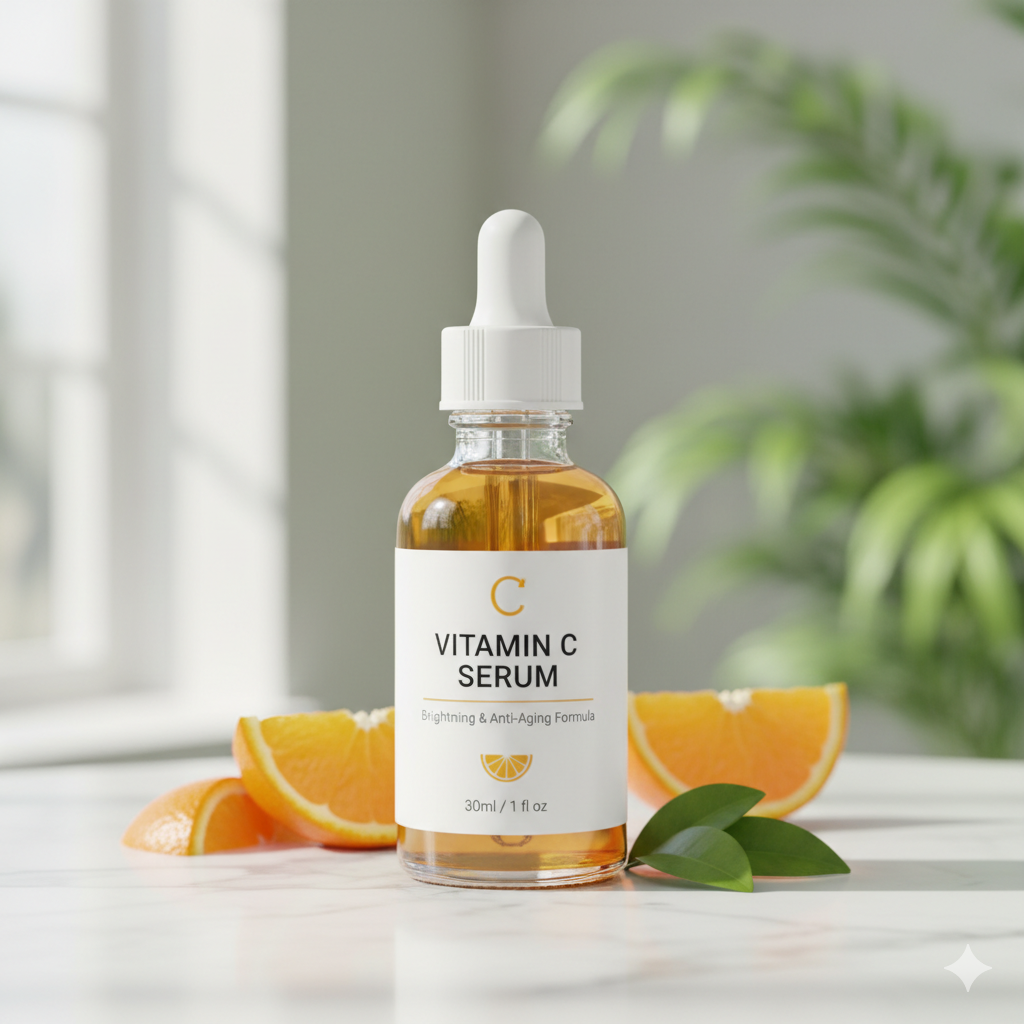
Ah, Vitamin C serum. It’s one of those skincare ingredients that gets a lot of hype, and for good reason. If you’ve ever felt like your skin is looking a bit dull, a little tired, or just not quite as bouncy as it used to, Vitamin C might be your new best friend. It’s not just a trend; it’s a powerhouse that genuinely works wonders for a wide range of skin concerns.
Think of your skin as a shield, constantly battling against everything the world throws at it: pollution, UV rays (even on cloudy days!), stress, and just the general wear and tear of life. These things generate what are called “free radicals” – unstable molecules that damage your skin cells, leading to premature aging, uneven tone, and a loss of that youthful glow. This is where Vitamin C steps in like a superhero.
The Magic of Vitamin C: More Than Just a Vitamin
So, what exactly does this superstar ingredient do for your skin? Let’s break it down:
1. The Ultimate Brightening Booster: This is perhaps Vitamin C’s most famous superpower. If you’re struggling with hyperpigmentation – those pesky dark spots left over from acne, sun damage, or melasma – Vitamin C can be a game-changer. It works by inhibiting an enzyme called tyrosinase, which is crucial for melanin production. Less tyrosinase means less melanin, and that translates to a more even, radiant skin tone. Imagine turning down the dimmer switch on your dark spots and turning up the glow. That’s Vitamin C.
2. A Potent Antioxidant Shield: Remember those free radicals we talked about? Vitamin C is a phenomenal antioxidant, meaning it neutralizes these damaging molecules before they can wreak havoc on your skin. It acts like a little scavenger, sweeping up the bad guys and protecting your cells from oxidative stress. This protective action is crucial for preventing premature aging, keeping your skin healthy, and helping it better defend itself against environmental aggressors. While it doesn’t replace sunscreen (nothing does!), it definitely enhances your skin’s built-in defense mechanisms.
3. Collagen’s Best Friend: Collagen is the protein that keeps your skin firm, plump, and youthful. As we age, our natural collagen production slows down, leading to fine lines, wrinkles, and a loss of elasticity. Vitamin C is absolutely essential for collagen synthesis. Without enough Vitamin C, your body simply can’t produce collagen effectively. So, by providing your skin with topical Vitamin C, you’re essentially giving it the building blocks it needs to produce more collagen, helping to smooth out wrinkles and maintain that coveted firmness. It’s like giving your skin a supportive scaffolding.
4. Reduces Inflammation and Redness: If you have sensitive skin, rosacea, or are prone to redness, Vitamin C can offer a soothing touch. It has anti-inflammatory properties that can help calm irritated skin and reduce visible redness. This makes it a great ingredient for those looking to achieve a more even, less reactive complexion.
5. Boosts Sunscreen Efficacy: While Vitamin C is not a sunscreen and should never be used as one, when layered under your SPF, it can significantly boost your sun protection. By neutralizing the free radicals generated by UV exposure that your sunscreen might miss, it offers an extra layer of defense against photodamage. It’s like having a dynamic duo working together to shield your skin.
How to Introduce Vitamin C into Your Routine
Okay, so you’re sold on the benefits. Now, how do you actually use this magical serum effectively?
1. The Right Form Matters (L-Ascorbic Acid is King): Vitamin C comes in many forms, but the most potent and well-researched is L-Ascorbic Acid. This is the pure form of Vitamin C and what you want to look for in a good serum. However, L-Ascorbic Acid is notoriously unstable – it degrades quickly when exposed to light, air, and heat. This is why packaging is crucial (think dark, opaque bottles, often with airless pumps).
Other forms like Sodium Ascorbyl Phosphate, Magnesium Ascorbyl Phosphate, and Ascorbyl Glucoside are more stable and can be good for sensitive skin, but they need to be converted into L-Ascorbic Acid by the skin, so they might not deliver the same punch. If you’re serious about results, aim for a well-formulated L-Ascorbic Acid serum.
2. Concentration is Key (But Don’t Overdo It): For L-Ascorbic Acid, a concentration between 10% and 20% is generally recommended. Anything lower might not be effective enough, and anything higher can potentially cause irritation without significantly increasing the benefits. If you’re new to Vitamin C, start with a lower concentration (like 10-15%) and gradually work your way up.
3. The pH Balance: For L-Ascorbic Acid to penetrate the skin effectively, it needs to be formulated at a low pH (typically between 2.5 and 3.5). This might sound a bit technical, but it’s important to know that if you’re layering a Vitamin C serum with other acids (like AHAs or BHAs), apply your Vitamin C first, give it a few minutes to absorb, and then follow with your other acids. Some people prefer to use their exfoliating acids at night and Vitamin C in the morning to avoid potential irritation.
4. When to Apply It: Most dermatologists and skincare experts recommend applying Vitamin C serum in the morning. Why? Because of its powerful antioxidant properties. Applying it in the A.M. helps your skin defend itself against the environmental aggressors you’ll encounter throughout the day.
Here’s the typical morning routine order:
- Cleanse: Start with a clean face.
- Tone (optional): If you use a toner, apply it now.
- Vitamin C Serum: Dispense 3-5 drops into your palm and gently press or pat it onto your face, neck, and décolletage. Avoid rubbing too vigorously. Let it absorb for a minute or two.
- Other Serums/Treatments: If you use other serums (like hyaluronic acid), apply them next.
- Moisturizer: Lock everything in with your favorite moisturizer.
- Sunscreen (NON-NEGOTIABLE!): This is the final and most crucial step in your morning routine, especially when using Vitamin C.
5. Patch Test First! As with any new active ingredient, always do a patch test first, especially if you have sensitive skin. Apply a small amount of the serum to an inconspicuous area (like behind your ear or on your inner forearm) for a few days to check for any redness, itching, or irritation before applying it all over your face.
6. Storage is Crucial: Because L-Ascorbic Acid is so unstable, proper storage is vital. Keep your serum in a cool, dark place, away from direct sunlight and heat. Many brands package their Vitamin C in dark, opaque bottles with droppers or airless pumps to minimize exposure to light and air. If your serum starts to turn a deep orange or brown, it has oxidized and is no longer effective (and can even cause mild irritation), so it’s time to replace it.
7. Patience, Young Padawan: Skincare is a marathon, not a sprint. You won’t see dramatic results overnight. Consistent use for several weeks, or even a couple of months, is needed to see the full benefits of Vitamin C, especially when it comes to brightening dark spots and boosting collagen.
Who Should Use Vitamin C?
Honestly, almost everyone can benefit from Vitamin C!
- If you’re concerned about anti-aging: Its collagen-boosting and antioxidant properties are fantastic.
- If you have hyperpigmentation or dullness: It’s one of the best ingredients for brightening and evening out skin tone.
- If you want to protect your skin from environmental damage: Its antioxidant power is a major plus.
- If you have generally healthy skin: It can help maintain that health and prevent future issues.
The only people who might need to be cautious are those with extremely sensitive or compromised skin, in which case starting with a very low concentration or a more stable derivative might be a better approach, or consulting a dermatologist.
The Bottom Line
Vitamin C serum is more than just a trendy ingredient; it’s a science-backed workhorse that can truly transform your skin. From brightening and evening out your complexion to fighting off environmental damage and boosting collagen, its benefits are extensive. Incorporating a well-formulated Vitamin C serum into your daily morning routine, followed by sunscreen, is one of the best investments you can make for the long-term health and radiance of your skin. It’s truly a glow-giver that delivers on its promises.