The Great Skincare Debate: Sunscreen Before or After Moisturizer?
It’s the question that has sparked countless debates in beauty forums and confused even the most seasoned skincare enthusiasts: when exactly does sunscreen belong in your morning routine? Do you slap it on right after your serums, or wait until after your moisturizer has sunk in? This isn’t just a matter of personal preference; it’s a critical point of order that affects how well your products work and, more importantly, how protected your skin truly is.
Let’s cut through the noise of conflicting advice and dive deep into the science and the simplicity of application. Because when it comes to sun protection, getting the order right is literally a matter of shielding your skin from the sun’s damage.
The Clear Answer (and Why There’s Confusion)
I’ll give you the short answer right up front: Sunscreen should almost always be applied after your moisturizer.
There. I said it. But here’s where the confusion comes in: The specific type of sunscreen you use is the one caveat that can change this rule.
We have two main types of sunscreen, and their difference is purely functional:
- Chemical Sunscreens: These absorb into the skin and work by absorbing UV rays, converting them into heat, and releasing them from the body.
- Mineral (Physical) Sunscreens: These sit on the surface of the skin and work by blocking or deflecting UV rays, acting as a physical shield.
Now, let’s explore why the most common advice is to use moisturizer first, and then look at the exception.
Scenario 1: Applying Chemical Sunscreen
The Rule: Sunscreen After Moisturizer.
The Rationale: Deeper Penetration is Key
Chemical sunscreens contain active ingredients (like oxybenzone, avobenzone, octinoxate, etc.) that need to be absorbed into the upper layers of your skin to be effective. They work best when they can interact directly with your skin cells.
- If you put sunscreen on first: Your chemical sunscreen absorbs into your skin and starts its work. But then, when you apply a layer of moisturizer (which is often heavier and contains occlusive ingredients like oils or butters) over the top, you risk diluting the chemical filters and disrupting the way they have settled into your skin. This can potentially weaken your protection.
- The Correct Order: By applying your lighter serums, then your moisturizer, you prepare your skin. The moisturizer does its job of hydrating the deeper layers and sealing in your treatments. The chemical sunscreen goes on top of this layer, penetrates the moisturizer slightly, and settles into its protective position on the skin’s surface, where it can be most effective at absorbing those UV rays. Think of the moisturizer as a primer for your sunscreen.
My Take: Use your moisturizer, wait a minute for it to absorb, and then apply your chemical sunscreen generously. This ensures both products perform optimally.
Scenario 2: Applying Mineral (Physical) Sunscreen
The Rule: Sunscreen After Moisturizer… but if you must, this is the only exception to consider.
The Rationale: The Physical Barrier Must Be Last
Mineral sunscreens use zinc oxide and/or titanium dioxide, which are white, chalky ingredients that create a physical barrier. Their entire mechanism relies on sitting on top of your skin to literally bounce UV rays away.
- The Ideal Order (Still Sunscreen Last): For maximum protection, the mineral barrier should be the last thing to touch your skin (before makeup). You want that physical shield to be sitting right on the surface, undisturbed. If you apply a heavy moisturizer over the mineral sunscreen, you risk moving the zinc oxide particles around, creating gaps in the protective barrier.
- The Exception (Why Some People Prefer Sunscreen First): The main complaint about mineral sunscreen is its texture—it can be thick, chalky, and leave a dreaded white cast. Some dermatologists have suggested that if you are using a very rich, heavy, or occlusive moisturizer, applying a lightweight mineral sunscreen first might ensure the sunscreen adheres properly to the skin before the moisturizer attempts to create a heavy barrier.
- The Practical Compromise: A better way to handle the “white cast” problem without compromising protection is to find a sheer, tinted mineral sunscreen or to mix a tiny amount of your mineral sunscreen with your moisturizer in your palm before application. However, be very careful when mixing, as you are technically diluting the SPF factor.
My Take: Always aim for the physical barrier (mineral sunscreen) to be the last layer before makeup. If the texture is too difficult, use a lightweight, easily-absorbed moisturizer, or try a sheer mineral formulation. The barrier needs to be intact and undisturbed.
Why the Order Matters: The 3 P’s
Beyond the science of how the filters work, getting the order right is crucial for three reasons:
1. Penetration of Actives
Your treatment products—serums and essences—contain active ingredients (Vitamin C, Retinol, Hyaluronic Acid, Peptides). These ingredients need to penetrate the skin easily to do their job.
- The Golden Rule: The thinnest products go first, and the thickest products go last.
- Your watery serums go on before your thicker creams. Since sunscreen is generally a thick, heavy cream (or should be, to be effective), applying it last ensures your treatment products aren’t blocked from penetrating the skin by a layer of SPF.
2. Protection
The most vital job of sunscreen is to form a uniform layer of protection against the sun. Any layer applied over the sunscreen runs the risk of disrupting this uniform shield.
- If you rub a thick cream over your just-applied sunscreen, you are physically moving the filters around, creating tiny “holes” in your protection.
- Sunscreen is the one product that absolutely must be applied correctly and evenly. Anything that can compromise its coverage should go underneath it.
3. Preservation
Moisturizers are designed to prevent water loss (TEWL – Transepidermal Water Loss). They typically contain a mix of three components:
- Humectants (e.g., Hyaluronic Acid, Glycerin) that draw moisture in.
- Emollients (e.g., Oils, Fatty Acids) that smooth the skin.
- Occlusives (e.g., Shea Butter, Petrolatum) that form a physical barrier to prevent moisture from evaporating.
Since occlusives are designed to form a seal, if you put them over your sunscreen, they might block some of the sunscreen’s necessary interaction with the skin (chemical) or disrupt the physical shield (mineral). Therefore, let the moisturizer do its job of sealing in moisture, and let the sunscreen do its job of sealing out UV rays.
The Foolproof Morning Skincare Sandwich
To make things simple, here is the universally accepted and dermatologist-recommended order for your morning routine:
- Cleanse: Gently wash your face to remove overnight oils and product residue.
- Tone/Essence: Apply your light, watery products to prep and hydrate.
- Treat (Serums/Ampoules): Apply your targeted active ingredients (e.g., Vitamin C).
- Eye Cream: Dab on the delicate eye area.
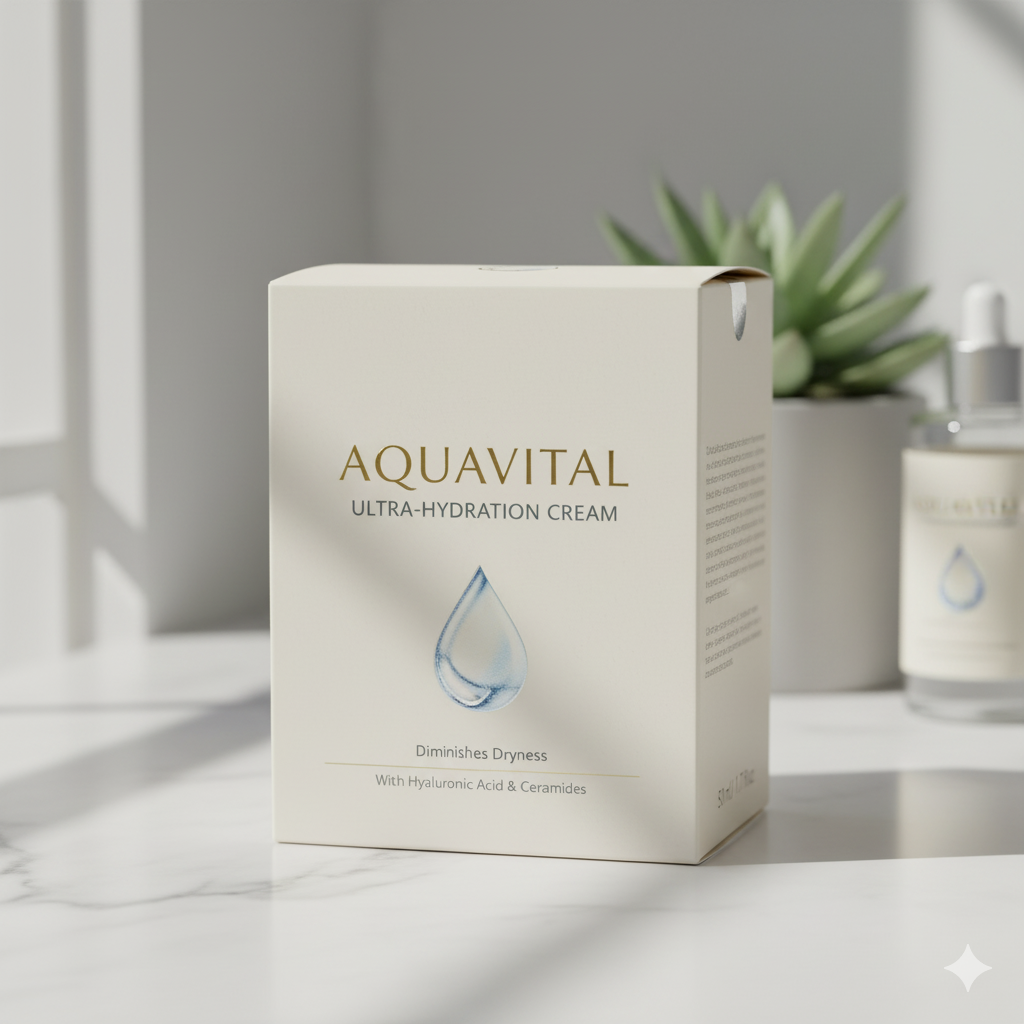
- Moisturizer: Apply your face cream to lock in hydration. Allow this to absorb for 60 seconds until your face is no longer visibly wet or slick.
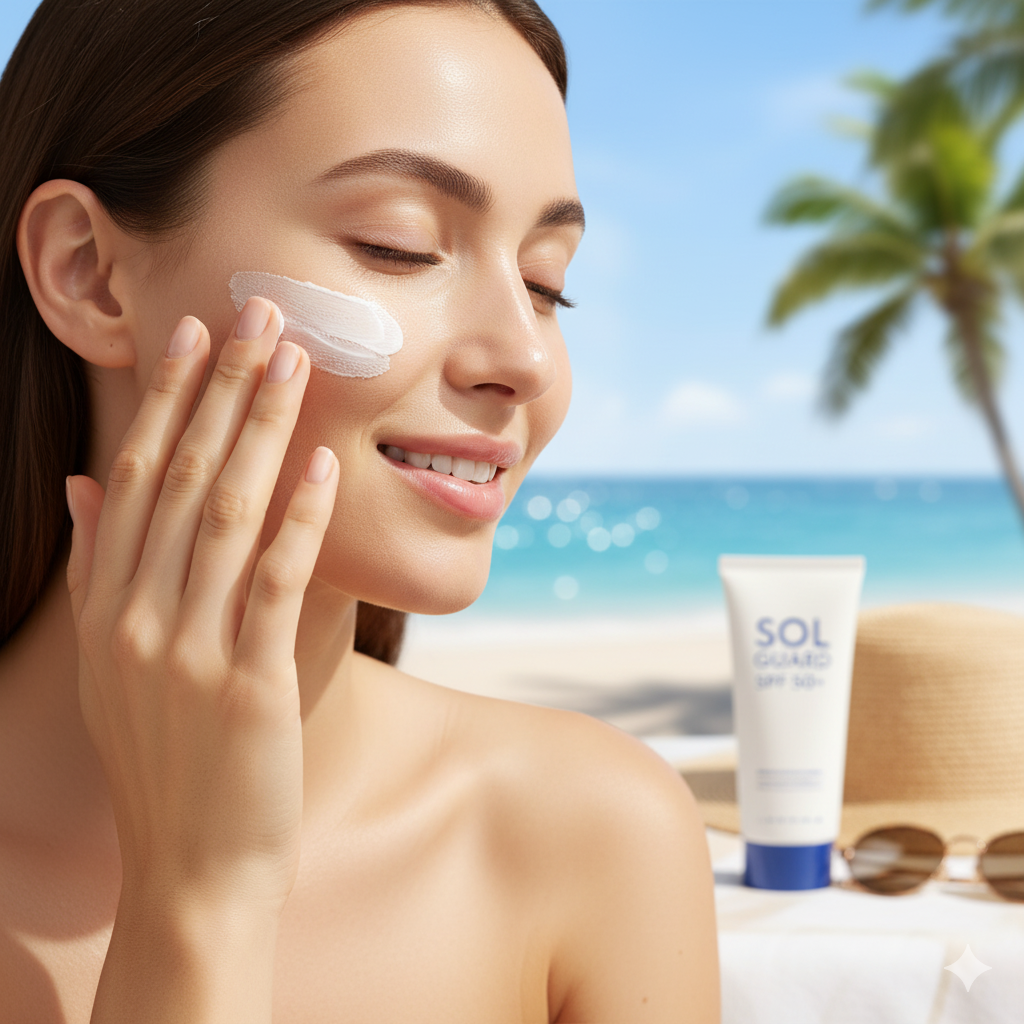
- Sunscreen (The Grand Finale): Apply your SPF 30+ broad-spectrum sunscreen liberally. This is the last skincare product.
- Makeup (Optional): Apply your foundation or primer.
A Few Final, Human-Centric Tips
- Wait Time Matters: The one factor that often leads to product pilling (those tiny rolled up bits of product) is impatience. Wait at least 30-60 seconds between applying your moisturizer and your sunscreen. If your skin is still wet from the moisturizer, the sunscreen won’t adhere properly and you’ll end up with a mess.
- Don’t Skimp on SPF: Regardless of the order, most people apply far too little sunscreen. You need about a nickel-sized amount for your face alone (roughly 1/4 teaspoon). If you’re mixing it with moisturizer, you must ensure you are applying the required amount of sunscreen and not diluting the protection below the recommended level.
- The ‘Two-in-One’ Dilemma: Many moisturizers now contain SPF. While convenient, these are often not applied in the correct amount to provide the full stated SPF protection (again, you need a 1/4 teaspoon of the product). It’s best practice to use a dedicated SPF after your regular moisturizer for maximum peace of mind and protection.
In the end, this isn’t a life-or-death decision, but it is an essential step in ensuring your skin remains healthy, youthful, and protected. So, embrace the layering, give your moisturizer a minute to sink in, and let your sunscreen take its rightful place as the final, protective shield in your morning ritual. Your future self will thank you for making the right call.