
Diminish Dryness: Your Step-by-Step Guide to a Hydrated, Happy Skin Barrier
If your skin often feels tight, flaky, itchy, or just plain thirsty, you’re not alone. Dealing with dry skin can be a constant battle, especially as seasons change or when your skin barrier decides to stage a revolt. That uncomfortable, sandpaper texture isn’t just a surface issue; it’s a sign that your skin is losing too much moisture and needs serious replenishment.
The good news? You don’t have to live with perpetually parched skin. By swapping out harsh habits and introducing the right steps and ingredients, you can transform your complexion from dull and tight to plump, dewy, and resilient.
This isn’t just about slapping on a thick cream; it’s about building a consistent, gentle routine that respects your skin’s natural barrier. Here is your definitive, step-by-step guide to nurturing your dry skin back to health.
The Morning Ritual: Protection and Hydration
The goal of your morning routine is to hydrate, lock in that moisture, and protect your skin from the environmental stressors it will face throughout the day. It should be gentle and efficient.
Step 1: Gentle Cleansing (Or Skipping It!)
When you have dry skin, over-cleansing is your enemy. Your skin’s natural oils (sebum) are a crucial part of its protective barrier.1 Stripping them away first thing in the morning just sets you up for dryness all day long.
- The Dry Skin Rule: If your skin doesn’t feel grimy from sweat or product residue, simply rinse your face with lukewarm water—never hot—and pat it gently with a clean, soft towel.2
- If You Must Cleanse: Opt for a creamy, non-foaming cleanser. Look for formulas that contain moisturizing ingredients like ceramides, hyaluronic acid, or colloidal oatmeal. Avoid sulfates (SLS/SLES) and strong fragrances, as these are notorious for stripping moisture.3
Step 2: The Hydration Layer – Toners and Essences
Forget the astringent, alcohol-laden toners of the past. The modern hydration step is all about layering moisture. This is where essences, toners, or hydrating mists come in.
- Key Ingredient Focus: Hyaluronic Acid (HA). This powerhouse molecule acts like a sponge, drawing moisture from the air and deeper layers of your skin and holding onto it. Applying it to slightly damp skin is essential for it to work effectively.
- How To Apply: After patting your skin almost dry (leaving it slightly damp), pour a small amount of a hydrating toner or essence into your palm and gently press it into your face and neck. This is a crucial step for dry skin because it softens the skin and prepares it to absorb the heavier products that follow.
Step 3: Serum Powerhouse
While your basic moisturiser does the heavy lifting, a targeted serum can deliver concentrated ingredients deep into the skin to address specific concerns caused by dryness.4
- Dry Skin Heroes:
- Vitamin C: Don’t skip it! While often associated with brightening, Vitamin C is a powerful antioxidant that protects your skin from free radical damage (pollution, UV exposure).5 This indirectly supports a healthier barrier.
- Niacinamide (Vitamin B3): This versatile ingredient helps improve the skin barrier function, reduce redness, and diminish transepidermal water loss (TEWL).6 Start slow if your skin is sensitive.
Step 4: Moisturize and Seal (The Most Important Step)
This is the non-negotiable step that seals in all the hydration you just layered on. For dry skin, you need a moisturiser that contains two types of ingredients:
- Humectants: (e.g., Hyaluronic Acid, Glycerin, Urea) These attract water.7
- Occlusives/Emollients: (e.g., Shea butter, squalane, petrolatum, dimethicone, plant oils) These form a protective seal over the skin to prevent moisture loss.8
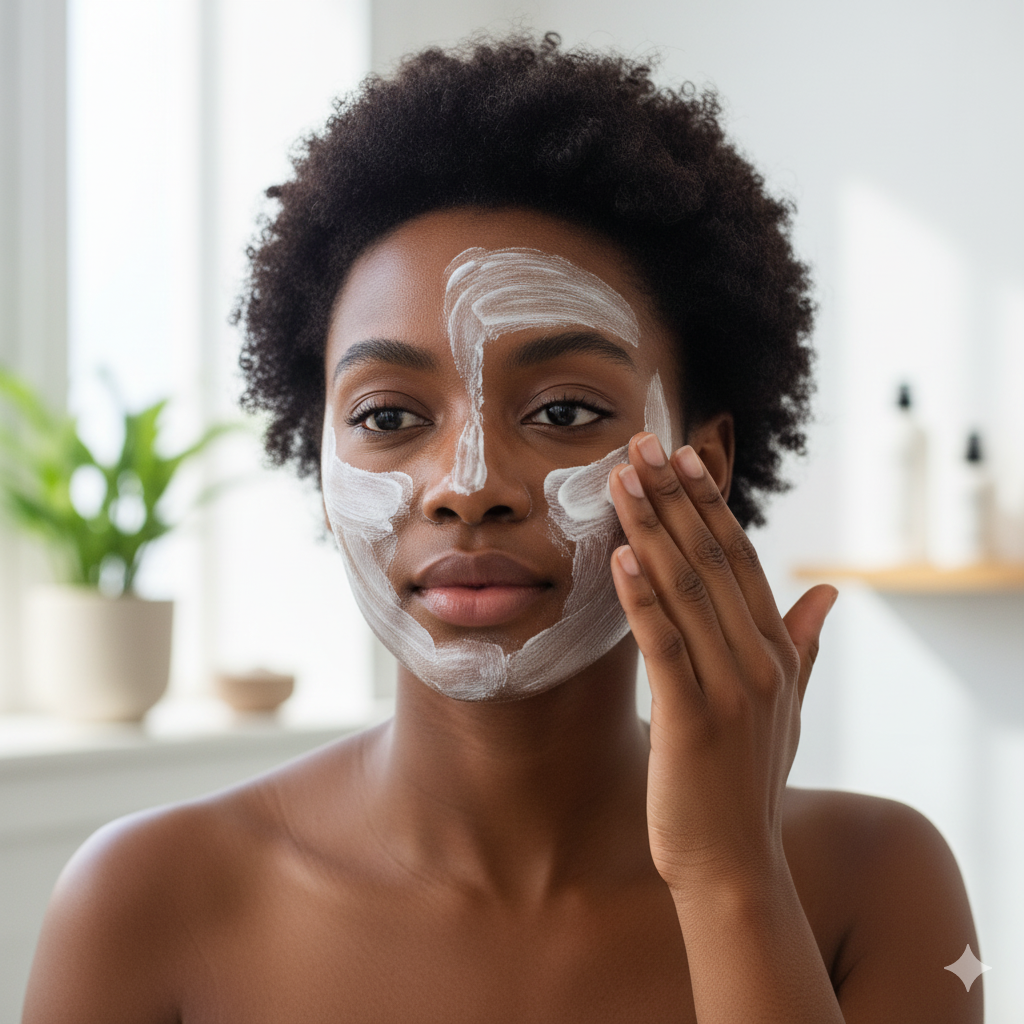
- Product Choice: Look for a cream or balm texture rather than a light lotion. A good day cream for dry skin will feel rich but absorb without a greasy residue. Apply generously to your face and neck, pressing it in rather than dragging.
Step 5: Sun Protection (Every Single Day!)
UV damage breaks down collagen, compromises your skin barrier, and exacerbates dryness and sensitivity.9 Skipping sunscreen means undoing all the good work you’ve done.
- The Dry Skin SPF: Choose a mineral (physical) sunscreen containing zinc oxide or titanium dioxide, as these are often less irritating.10 Alternatively, a chemical sunscreen formulated within a moisturizing base (often labelled as a “moisturizing sunscreen”) can be comfortable.
- Minimum: Use an SPF of 30 or higher, applied as the last step before makeup.
The Evening Repair: Healing and Barrier Restoration
The night is when your skin goes into repair mode. Your evening routine should focus on gentle cleansing, deep penetration of restorative ingredients, and maximum occlusion to support barrier recovery.
Step 6: Double Cleansing (The Right Way)
This step is crucial, especially if you wear makeup or a heavy, water-resistant sunscreen. Double cleansing ensures all oil-based debris and pollutants are dissolved without stripping your skin.11
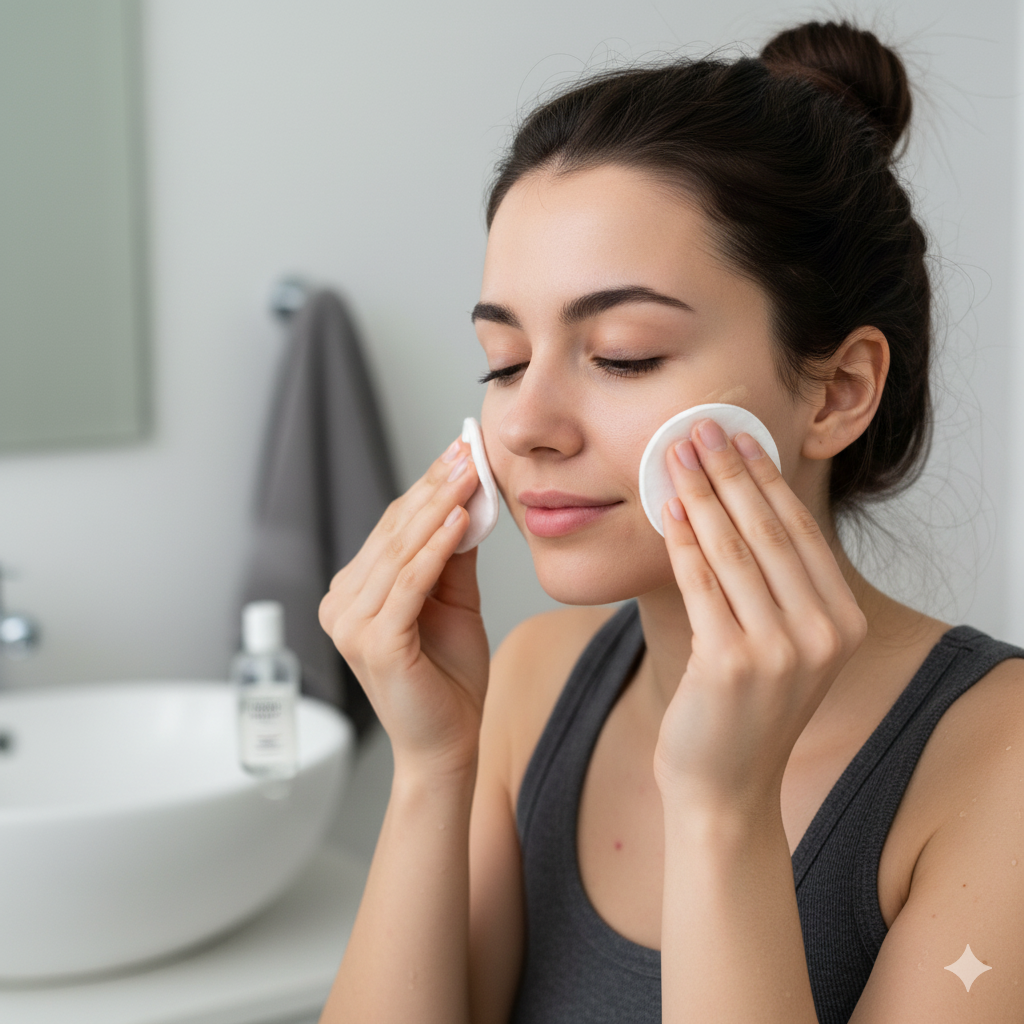
- First Cleanse (Oil/Balm): Use a dedicated cleansing oil or balm. Gently massage it into dry skin for 30-60 seconds to break down makeup, SPF, and sebum. Emulsify it with a splash of water, and rinse clean.
- Second Cleanse (Cream): Follow up with the same gentle, creamy cleanser you use in the morning. This removes any residue left by the oil cleanser, leaving your skin perfectly clean but not tight.
Step 7: Targeted Treatments (Tretinoin, Retinol, Acids)
This is the step for active ingredients, but caution is essential for dry skin. Retinoids (like retinol or tretinoin) and exfoliating acids (like AHAs) can be incredibly beneficial for cell turnover and collagen production, but they are also notorious for causing irritation and dryness.12
- The Retinoid Sandwich Method: If you use a retinoid, apply it over a light layer of moisturiser and then follow up with a heavier layer of moisturiser. This “sandwich” buffers the active ingredient, reducing irritation while still allowing it to work. Start 1-2 nights per week.
- Exfoliation (The Once-a-Week Rule): Chemical exfoliation is necessary to lift the flaky, dead skin cells so moisturisers can penetrate, but it must be done sparingly. Use a Lactic Acid (the gentlest AHA) treatment once a week, or a mild PHA (Polyhydroxy Acid) for a gentler option. Avoid harsh scrubs entirely.
Step 8: Nighttime Deep Repair – The Ultimate Occlusive
Your final step is to apply a rich moisturiser, potentially mixed with a few drops of a facial oil, to provide the skin with long-lasting hydration throughout the night.13
- Moisturizer Plus Oil: Look for an oil rich in ceramides and fatty acids, such as Rosehip, Marula, or Jojoba oil.14 Mix 2-3 drops into your night cream and press the mixture into your face.
- “Slugging” (Optional, for Extreme Dryness): If your skin is severely dry and flaky, consider “slugging.” This involves applying a very thin layer of an occlusive product like pure petrolatum jelly (Vaseline) or a thick repair balm over your entire routine. This forms an absolute barrier, preventing nearly all TEWL. Use this method only 1-2 times per week or during times of extreme cold/wind.
Supportive Habits and Lifestyle Fixes
A skincare routine is only part of the solution. Your environment and internal health play huge roles in managing dryness.
1. Temperature Control
Hot water strips your skin’s natural oils faster than anything else.15 Turn down the temperature in the shower and when washing your face. Keep showers brief and pat—don’t rub—your skin dry afterward.
2. Hydration from the Inside Out
Adequate water intake is vital for overall skin health.16 Additionally, incorporating healthy fats into your diet (avocados, fatty fish, nuts, and seeds) helps provide the necessary omega fatty acids that are the building blocks of a strong, healthy skin barrier.
3. Invest in a Humidifier
During winter months, central heating can suck the moisture right out of the air (and your skin). Placing a humidifier in your bedroom while you sleep helps counteract this effect, keeping the air moisture level stable and preventing your skin from losing water overnight.17
4. Check Your Laundry Detergent
If you experience persistent itchiness or dryness on your body, your laundry detergent might be the culprit. Switch to a fragrance-free, hypoallergenic detergent to minimise contact dermatitis, which can worsen overall skin dryness and irritation.18
A Quick Dry Skin Shopping List
| Ingredient Type | Function | Examples |
| Humectants | Attract and hold water. | Hyaluronic Acid, Glycerin, Urea, Aloe Vera. |
| Emollients | Smooth and soften skin, fill gaps in the barrier. | Squalane, Jojoba Oil, Ceramides, Fatty Acids. |
| Occlusives | Form a physical barrier to prevent water loss (TEWL). | Shea Butter, Petrolatum (Vaseline), Dimethicone. |
| Gentle Actives | Repair and strengthen the barrier over time. | Niacinamide, Lactic Acid, Colloidal Oatmeal. |